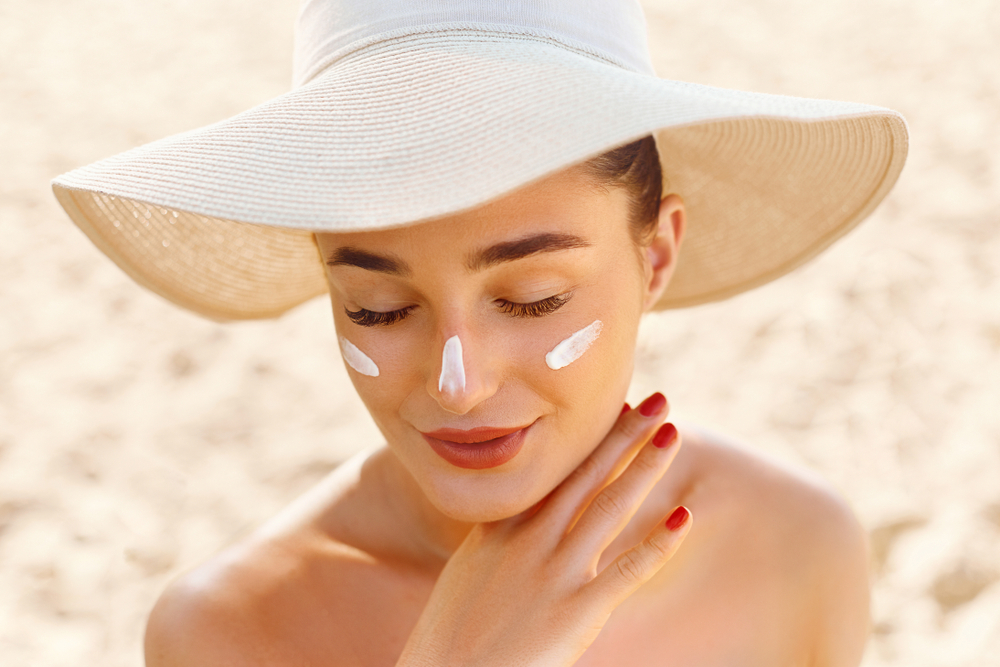
Summer in Forest County, WI is something special. The lakes shimmer, the trails call your name, and the long days stretch out like a gift. But tucked inside all that beauty is a risk that sneaks up on even the most experienced outdoors lover: facial sunburn. Whether you are spending a day on the water near Laona or hiking through the Nicolet National Forest, your face takes the brunt of the sun’s intensity.
Knowing how to protect your skin before you head out, and how to treat it if things go wrong, is essential knowledge for anyone spending time in the Northwoods this summer.
Why Your Face Burns Faster in the Northwoods
Most people think of sunburn as a beach problem, but the Northwoods environment creates its own unique set of sun exposure risks. Water reflects UV radiation, which means a morning fishing trip or an afternoon kayaking session can double your exposure without you ever noticing. The same goes for sandy shorelines and even open meadows, where reflected light hits your face from multiple angles at once.
At higher elevations, UV intensity increases, and while Forest County, WI is not mountainous, the long hours of summer daylight push total UV exposure well beyond what most people expect from a wooded environment. Open canoe trails, wide river stretches, and lake-facing campsites leave your face fully exposed for hours at a time. Add in the fact that most people associate forest settings with shade and natural protection, and you have a recipe for underestimating risk and skipping skincare products that could make a real difference.
Facial skin is also more sensitive than the skin on your arms or legs. It is thinner, it has more oil glands, and it is constantly exposed to the elements even when the rest of your body is covered. That combination makes it the first place to show sun damage and the last place people think to protect carefully.
Choosing the Best Sunscreen for Your Face
Not all sunscreens are created equal, and the best sunscreen for face protection is not necessarily the same one you slather on your shoulders. Facial sunscreen needs to sit comfortably on skin that may be oily, dry, or sensitive, and it needs to hold up through sweat, wind, and hours of outdoor activity.
Dermatologists consistently recommend a broad-spectrum sunscreen with at least SPF 30 for everyday outdoor use, and SPF 50 or higher for extended time in the sun. Broad-spectrum means the formula protects against both UVA rays, which cause long-term skin aging and deeper damage, and UVB rays, which are the primary cause of sunburn. For facial use, look for formulas labeled non-comedogenic, meaning they will not clog pores, and consider mineral-based options containing zinc oxide or titanium dioxide if you have sensitive skin.
Application matters as much as the formula itself. Most people apply far less sunscreen than needed to get the protection listed on the label. For your face, a full teaspoon is a reasonable target. Apply it at least 15 minutes before sun exposure, cover commonly missed spots like the ears, the hairline, and the area under the chin, and reapply every two hours or immediately after swimming or heavy sweating.
If you are heading out on a day trip from Laona or spending the weekend at a cabin in Forest County, WI, picking up a dedicated facial sunscreen before you leave is worth the extra few minutes. Many people find a tinted mineral sunscreen works well as a lightweight daily option that doubles as light coverage for an even complexion.
Where to Find Skincare Products Locally
One of the best things about planning ahead is that you do not have to order anything online to be prepared. A local pharmacy in Forest County or the surrounding Northwoods area can be a surprisingly well-stocked resource for facial sun protection and skincare products suited to outdoor use. Staff at a local pharmacy often know which products hold up best in humid, active conditions and can point you toward options that have worked well for other customers in the region.
Beyond sunscreen, a local pharmacy typically carries products like gentle facial cleansers, fragrance-free moisturizers, aloe vera gel, and hydrocortisone cream, all of which are useful for both prevention and recovery. Shopping locally also means you can grab what you need the morning of an adventure rather than realizing at the trailhead that you forgot to pack anything.
Skincare products designed specifically for the face are worth seeking out rather than settling for a generic body lotion. The Northwoods lifestyle is active and outdoor-focused, and your skincare routine should match that. Lightweight, fast-absorbing formulas work best when you are on the move, and products with added antioxidants like vitamin C or niacinamide can help offset some of the environmental stress your skin faces during long outdoor days.
How to Treat Severe Facial Sunburn
Even with the best preparation, sunburns happen. If you are dealing with a significant burn after a day outdoors near Laona or anywhere else in Forest County, WI, knowing how to treat severe facial sunburn correctly can speed your recovery and reduce the risk of lasting skin damage.
The first step is to get out of the sun immediately and cool the skin. A cool (not cold) shower or a damp cloth applied gently to the face can help bring down surface temperature. Avoid ice directly on burned skin, as it can cause additional irritation. After cooling the skin, apply a fragrance-free moisturizer or aloe vera gel to help restore the skin barrier and reduce the tight, uncomfortable feeling that comes with a burn.
Over-the-counter hydrocortisone cream can reduce inflammation in the first 24 to 48 hours. Taking an anti-inflammatory pain reliever like ibuprofen can also help manage swelling and discomfort. Stay hydrated, since sunburn draws fluid toward the skin surface and can contribute to dehydration, and avoid any products containing alcohol, retinol, or exfoliating acids while the skin is healing.
Blistering is a sign of a more serious second-degree burn. If your facial skin blisters, do not pop the blisters, as doing so increases infection risk. If blistering covers a large area of your face, or if you experience chills, fever, or dizziness alongside the burn, seek medical attention. These symptoms can indicate sun poisoning, which requires professional care beyond what home treatment can address.
Building a Summer Skin Routine for Northwoods Living
Long-term skin health in a place like Forest County, WI comes down to consistency. A simple daily routine does not take much time, but it pays dividends over a full summer of outdoor living. Cleanse your face gently each morning and evening to remove sweat, sunscreen residue, and environmental pollutants. Follow with a moisturizer suited to your skin type, and never skip SPF on your morning application, even on overcast days, since UV rays penetrate cloud cover.
Reapplication is the step most people skip, and it is the most important one for anyone spending significant time outdoors. Keep a small bottle of facial sunscreen in your day bag, your tackle box, or your canoe pack so reapplication is easy and automatic rather than an afterthought.
Pay attention to changes in your skin over the summer. Increased freckling, new moles, or patches of rough or discolored skin are worth a conversation with a dermatologist. The cumulative effect of sun exposure in an outdoor-heavy lifestyle adds up over years, and catching concerns early makes a significant difference.
Enjoy the Northwoods Without Paying for It Later
Forest County, WI offers some of the most beautiful summer terrain in the Midwest, and protecting your face is simply part of enjoying it responsibly. With the right sunscreen, a stocked kit from your local pharmacy, and a solid plan for treating a burn if one occurs, you can spend your days on the water and in the woods without sacrificing your skin health. The Northwoods will always be there. Make sure your skin is ready to enjoy it.